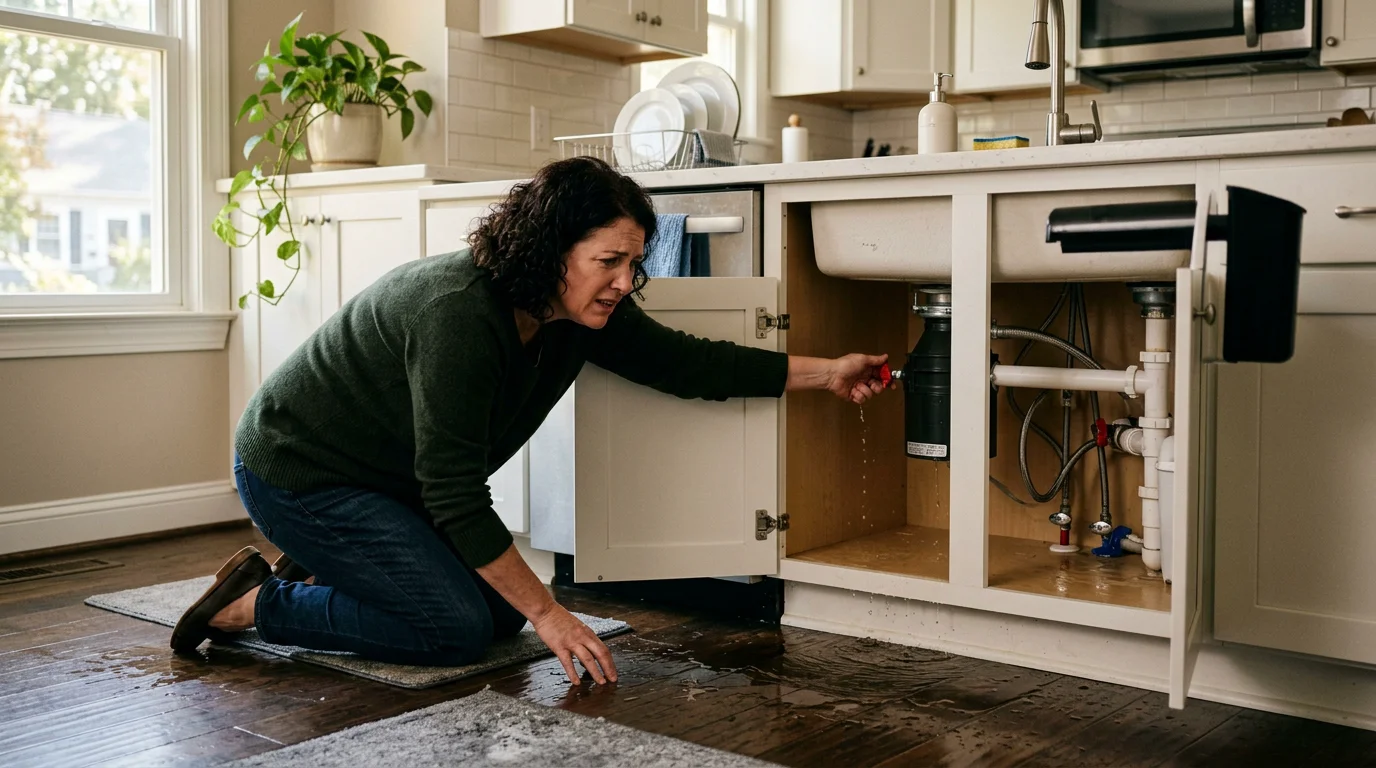

A single hidden leak can quietly drain nearly 10,000 gallons of water from an average home over the course of a year, and the damage rarely stops at a higher utility bill. When you address the repair of a leaking pipe promptly, you prevent the slow erosion of drywall, subflooring, and framing that transforms a minor drip into a five-figure restoration project. For urgent situations where standing water is already spreading, our emergency water extraction for pipe leaks stops the migration before it reaches structural cavities.
Water intrusion is not a rare misfortune. Industry research indicates that home water damage affects roughly 14,000 people every day across the United States. Understanding how these failures happen, what they cost, and when to call a professional gives you a meaningful advantage in protecting one of your largest investments.
Why a Pipe Leak Repair Cannot Wait
Consider what one inch of water does inside a typical home. According to the Insurance Information Institute, that shallow layer can cause up to $25,000 worth of damage, and even a modest burst can release enough volume to saturate multiple rooms within minutes. A pipe leak repair is therefore never purely cosmetic; it is a containment measure.
The financial exposure is substantial. Between 2019 and 2023, water damage and freezing accounted for approximately 22.6% of all home insurance claims, second only to wind and hail. The average claim in that category exceeds $15,000, a figure that reflects how quickly moisture compromises materials that are expensive to replace.
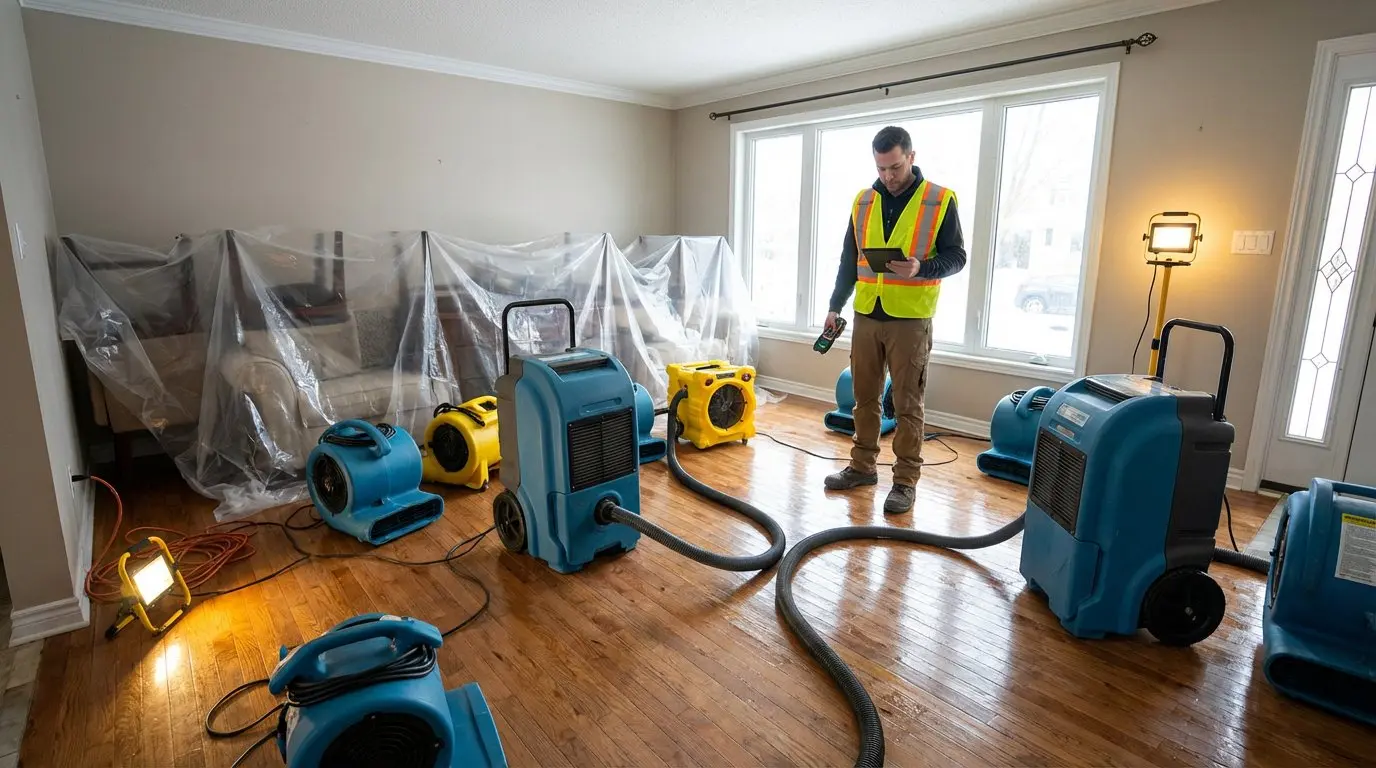
Time is the decisive variable. The longer water sits, the deeper it wicks into porous surfaces, and the greater the likelihood of microbial growth. When a leak has already released significant volume, professional water extraction and structural drying become the priority before any permanent plumbing fix can hold.
Recognizing the Warning Signs Early
Have you noticed a water bill that climbed without explanation? That single anomaly is one of the most reliable early indicators of a concealed leak. Utility records showing constant usage frequently precede any visible evidence inside the home.
Beyond the bill, several signals deserve immediate attention:
- Persistent damp odors in cabinets, basements, or crawl spaces, often the first sign of hidden moisture.
- Discoloration or staining on ceilings and walls, indicating water tracking behind finished surfaces.
- Warped flooring or peeling paint, which reveal saturation in materials that should stay dry.
- Reduced water pressure, a possible symptom of a compromised supply line.
Small leaks are deceptively wasteful. Data compiled by ConsumerAffairs notes that fewer than 20% of homeowners take precautionary steps against water damage, which means most failures are discovered only after visible harm appears. Installing a water sensor and inspecting exposed plumbing seasonally closes much of that gap.
Common Causes Behind Leaking Pipes
Not every leak originates the same way, and the cause often dictates the appropriate fix. Corrosion in aging metal lines, freezing during cold snaps, shifting soil beneath a foundation, poor original workmanship, and simple wear at joints all produce distinct failure patterns. Frozen pipes are especially seasonal, with claims concentrating heavily in the winter months as water expands and cracks the line.
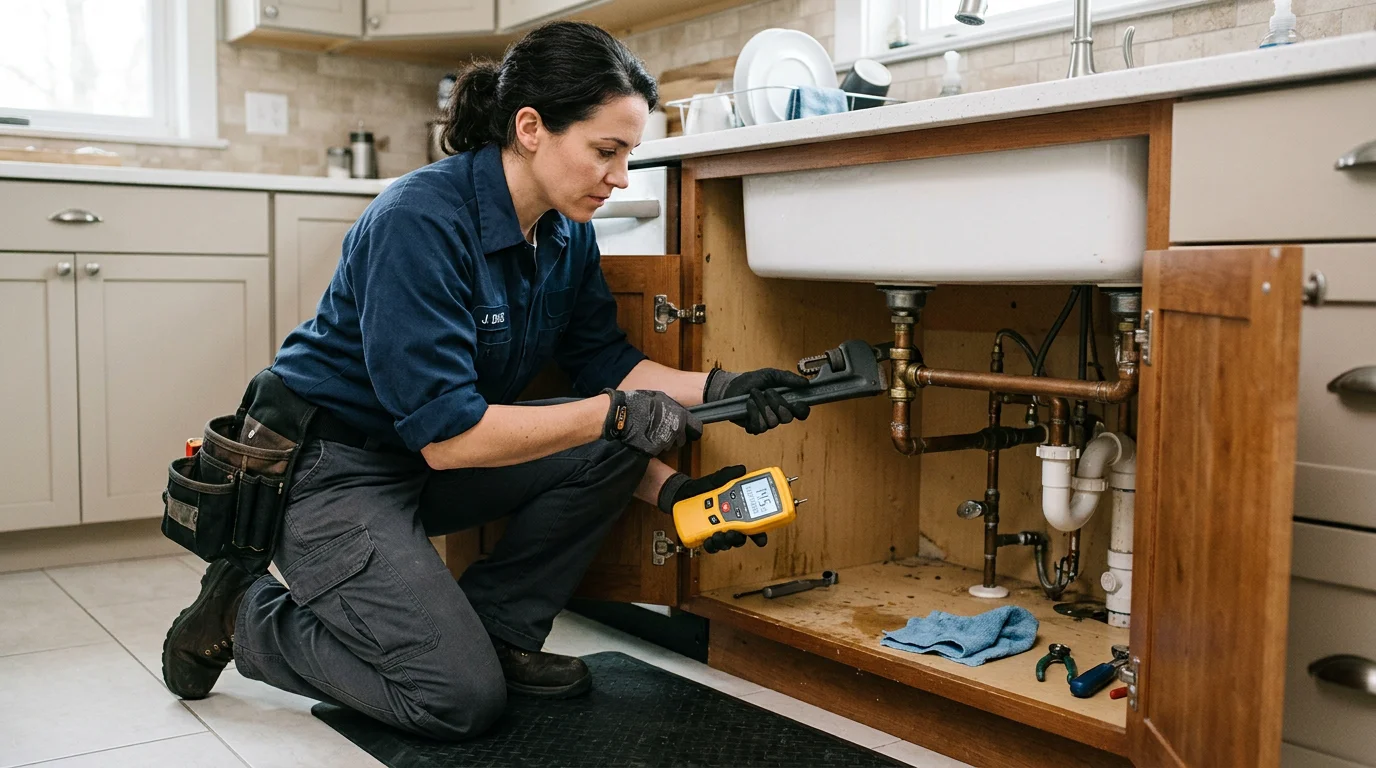
Material matters as well. Copper, steel, PVC, and cast iron each fail differently, and each responds to a different repair method. A pinhole in a copper supply line calls for a different approach than a longitudinal crack in a cast iron drain. Identifying the pipe material and the exact failure point is the foundation of any durable leak repair, which is why professional diagnosis using thermal imaging and moisture detection often outperforms guesswork.
Repair Methods and What They Cost
Repair options range from temporary stopgaps to permanent replacement. The table below compares common approaches so you can weigh speed, durability, and typical scenarios. Professional restoration is included because a leak that has already caused water damage requires more than a plumbing patch.
| Approach | Best For | Durability | Typical Scenario |
|---|---|---|---|
| Epoxy putty or repair tape | Small cracks, pinholes | Short to medium term | Emergency hold before a permanent fix |
| Section replacement | Corroded or burst segments | Long term | Damaged supply or drain lines |
| Pipe lining or coating | Aging pipe runs | Long term | Extending service life without excavation |
| Full repiping | Widespread deterioration | Permanent | Recurrent leaks across a system |
| Water Damage Georgia restoration | Leaks that caused water damage | Comprehensive | Extraction, drying, and mold prevention after a leak |
Costs vary with severity. General water damage restoration commonly ranges from $3,000 to $8,000, while major burst-pipe events can exceed $15,000 once drying and reconstruction are included. When a leak has spread beyond the pipe itself, our water damage restoration in Georgia addresses the moisture that a plumbing fix alone leaves behind.
The Hidden Threat: Mold and Structural Damage
Water rarely damages a home alone. Within 24 to 48 hours of intrusion, mold begins colonizing damp materials, and once it establishes in wall cavities or under flooring, remediation grows more complex and costly. This is the reason professionals treat drying as urgently as the plumbing repair itself.
Structural drying is not instantaneous. It typically requires three to five days with commercial dehumidification equipment, particularly in humid climates where ambient moisture slows evaporation. Cutting this process short leaves latent moisture that feeds mold and weakens framing over time. Following the IICRC S500 Standard for water damage assessment ensures that both visible and hidden saturation are fully addressed before reconstruction begins.
DIY Fixes Versus Professional Repair
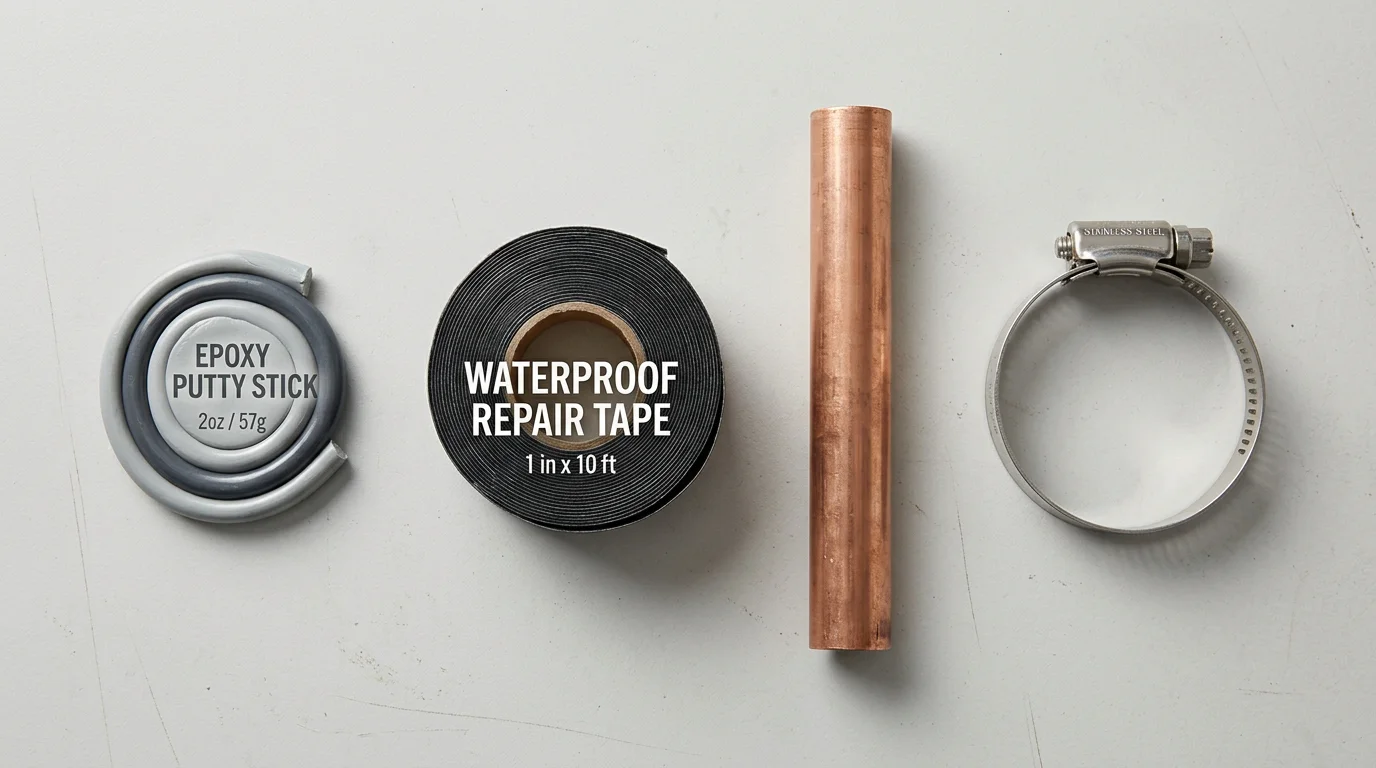
A homeowner can reasonably handle a minor drip at an accessible joint using epoxy putty or self-amalgamating tape as a temporary measure. These products seal small cracks and pinholes and can buy time until a lasting solution is arranged. For a slow faucet leak, tightening a fitting or replacing a washer is well within DIY range.
The calculus changes when water has already reached drywall, subfloor, or hidden cavities. At that point the problem is no longer a pipe; it is a water damage event that demands extraction, moisture mapping, and controlled drying. Coverage analysis from Insurify notes that most standard policies cover sudden and accidental damage such as a burst pipe, which makes proper documentation valuable. Professional contractors provide that documentation while ensuring the underlying moisture is genuinely resolved.
For homeowners in the Atlanta metro area facing this scenario, our water damage repair in Atlanta connects you with licensed, certified specialists who handle the full scope from extraction through reconstruction.
Protecting Your Home Starts with Fast Action
A leaking pipe rewards speed and punishes delay. The moment you detect an unexplained bill, a damp odor, or a stain, treating the repair of a leaking pipe as a priority prevents a manageable issue from becoming a costly restoration. Temporary seals have their place, but lasting protection comes from correct diagnosis, thorough drying, and, where water has already spread, professional remediation that eliminates the moisture behind the walls. Regular inspection of exposed plumbing and a modest investment in leak detection give you the early warning that saves thousands.
Take action with Water Damage Georgia
When a leak has moved beyond the pipe and into your floors, walls, or ceilings, a plumbing patch alone will not protect your home. You need rapid extraction and thorough drying before mold and structural damage take hold, and you need it handled by people who understand how quickly moisture spreads.

We connect Metro Atlanta property owners with licensed, IICRC-certified contractors available 24 hours a day. One free call brings a free on-site estimate, thermal imaging and moisture detection, and full insurance documentation support. To reach vetted pipe leak repair contractors in your county, contact us at (844) 817-0007 for fast, professional help.
Frequently Asked Questions
How quickly should a leaking pipe be repaired?
You should address a leaking pipe as soon as it is detected, ideally within hours. Mold can begin colonizing damp materials within 24 to 48 hours, and prolonged exposure deepens structural damage. Prompt action consistently limits both repair scope and cost.
Can I repair a pipe leak myself?
Minor drips at accessible joints can often be sealed temporarily with epoxy putty or waterproof repair tape. However, once water reaches drywall, flooring, or hidden cavities, professional extraction and drying are necessary. A visible fix does not resolve moisture trapped inside the structure.
Does homeowners insurance cover pipe leak damage?
Most standard policies cover sudden and accidental water damage, such as a burst pipe, but typically exclude gradual leaks and outside flooding. Thorough documentation of the damage strengthens your claim. Our contractors provide insurance documentation to support the process.
What are the early signs of a hidden pipe leak?
An unexplained rise in your water bill is one of the most reliable indicators. Damp odors, wall or ceiling stains, warped flooring, and reduced water pressure also point to concealed leaks. Investigating these signals early prevents extensive damage.
How long does it take to dry out water damage from a leak?
Structural drying generally requires three to five days using commercial dehumidification equipment. Humid climates can extend this timeline because ambient moisture slows evaporation. Rushing the process leaves latent moisture that encourages mold growth.